Zein Kallas Calot: Exploring Research and a Career in Science
Jan 29, 2026
This interview explores the research journey of Zein Kallas Calot, an R4 researcher in Agricultural Economics and Agri-food Marketing at the UPC. It highlights his focus on sustainability, real-world impact, collaborative research, and mentoring within European research projects.
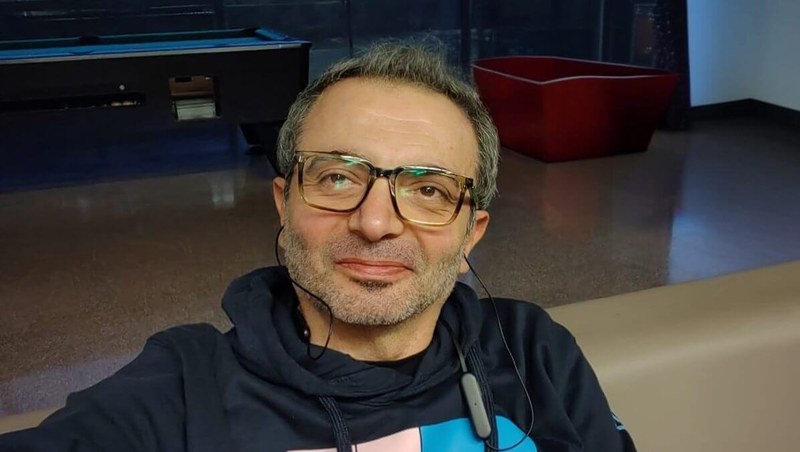
Zein Kallas Calot is an R4 researcher in the field of Agricultural Economics and Agri-food Marketing. His work focuses on sustainability, healthy food systems, and understanding how decisions are made by consumers, farmers, and other actors within agri-food systems. He has been involved in European research projects under Horizon 2020 and Horizon Europe, where he has taken on responsibilities as Project Coordinator, Principal Investigator, and Work Package Leader. Throughout his career, he has emphasized collaboration, reflection, and the practical usefulness of research, valuing impact in terms of contributions to society, support for local initiatives, and mentoring students. This in-depth interview presents his views on research performance, self-assessment, goal setting, leadership, mentoring, and the role of research in addressing real-world challenges in food systems.
How do you evaluate your research performance and progress?
I’ve tried to focus on topics that matter—like sustainability, healthy food systems, and how people make choices—because I believe research should help solve real problems. I measure progress less by numbers and more by the impact I can create, whether that’s contributing to projects that bring people together, supporting local initiatives, or helping students grow in their careers.
Can you describe the tools or strategies you use for self-assessment in your research?
I also pay attention to feedback from colleagues and students, because their perspective often shows things I can improve. Another tool I use is reflection after finishing a project: what worked well, what could be done differently, and how the research connects to real needs. Finally, I look at whether my work is being applied or discussed outside academia, because that tells me if it’s useful. For me, self-assessment is less about metrics and more about asking: “Is this helping someone or making a positive change?”
What challenges have you faced in objectively evaluating your work, and how have you addressed them?
One of the biggest challenges for me is separating effort from impact. When you put a lot of time and energy into a project, it’s easy to feel that it went well just because of the work involved. I’ve learned to step back and ask whether the results really achieved what they were meant to, and whether they are useful beyond the academic context. Another challenge is avoiding comparisons with others, because every research path is different. To address this, I focus on my own progress over time and on feedback from peers and stakeholders rather than rankings or metrics. Reflection and honest conversations with colleagues have helped me stay grounded and see things more objectively.
What motivated you to choose your current research field?
I was motivated by a mix of curiosity and purpose. Growing up, I saw how food and agriculture are deeply connected to people’s lives, not just as products but as part of culture, health, and sustainability. That made me want to understand how decisions are made—by farmers, consumers, and policymakers—and how those decisions can shape a fairer and more sustainable food system. Over time, I realized that economics and consumer behavior are powerful tools to address these challenges, so I chose this field to contribute in a way that combines science with real-world impact. For me, it’s about helping create solutions that work for both people and the planet.
Reflecting on your career so far, what accomplishments are you most proud of?
I’m most proud of the moments where my work has made a real difference for people. Coordinating international projects that bring together researchers, farmers, and consumers to find practical solutions for sustainability has been very rewarding. I also value the role I’ve had in mentoring students—seeing them grow and succeed in their own careers feels like one of the biggest achievements. Another thing I’m proud of is helping shape strategies for local communities and contributing to policies that support fair and sustainable food systems. For me, these accomplishments matter because they go beyond publications; they show that research can have a positive impact on society.
How have your motivations changed as your career has progressed?
At the beginning of my career, my motivation was mostly about learning and proving myself as a researcher—publishing, gaining experience, and building a solid foundation. Over time, that has shifted toward creating impact beyond academia. Now, I’m more motivated by collaboration and by seeing research applied in real life, whether through policies, projects, or helping communities. I also find a lot of meaning in mentoring students and supporting their growth, because it feels like a way to multiply the impact of what we do. In short, my focus has moved from personal achievement to contributing to solutions that matter for society.
How do you identify and set professional goals for yourself?
I usually start by thinking about what matters most to me and the people I work with. For research goals, I look at the big challenges in my field—like sustainability or healthy food systems—and ask where I can contribute in a meaningful way. Then I break those ideas into smaller, realistic steps, like finishing a project, learning a new method, or building partnerships. Feedback from colleagues and students also helps me see where I can improve and set new directions. I try to keep my goals flexible because priorities can change, but I always make sure they align with creating impact and supporting others.
Do you use any specific frameworks or models (e.g., SMART goals) for setting your goals? If so, how have they helped?
I don’t follow a strict framework all the time, but I do use the idea behind SMART goals when it makes sense. For example, when planning a project or a new course, I try to make the objectives clear, realistic, and measurable so I can track progress. It helps me stay focused and avoid setting goals that are too vague or too ambitious. At the same time, I keep some flexibility because research often brings unexpected opportunities. So, while I use structured approaches as a guide, I combine them with reflection and feedback to make sure the goals are practical and meaningful.
What factors do you consider when setting short-term versus long-term goals?
When I set short-term goals, I focus on what can be achieved in the next months, like completing a specific work package in a project. For example, in the LAB4SUPPLY Horizon project, one of my short-term goals was to design and implement the living lab activities with stakeholders to test new supply chain models. For long-term goals, I think about the bigger picture, such as contributing to more sustainable food systems and influencing policy. A good example is my involvement in projects like HEALTHYW8, where the long-term goal is to develop strategies that promote healthy lifestyles and reduce obesity across Europe. These bigger goals guide my choices and help me make sure that the short-term steps are aligned with creating real impact over time.
How do you break down your goals into manageable tasks or milestones?
I usually start by looking at the big goal and asking, “What needs to happen first?” Then I break it into smaller steps that can be tracked easily. For example, in the HEALTHYW8 project, the overall goal was to develop personalized interventions for healthy lifestyles. To make that manageable, we divided it into milestones like designing the evaluation framework, collecting data from workshops, and analyzing results. Each milestone had clear tasks, deadlines, and responsibilities for the team. This way, progress feels tangible, and it’s easier to adjust if something changes. I find that having these smaller steps helps keep everyone focused and reduces stress.
How do you monitor and adjust your action plan to stay on track toward your goals?
I monitor my action plan by setting regular check-ins and using simple tracking tools like timelines or shared spreadsheets. For example, in the LAB4SUPPLY project, we had monthly meetings to review progress on each milestone and identify any delays early. If something wasn’t working as planned—like a stakeholder workshop being postponed—I adjusted the timeline and redistributed tasks so the overall goal stayed on track. I also rely on feedback from the team and partners because they often spot issues before they become bigger problems. For me, monitoring is not just about control; it’s about staying flexible and learning as we go.
How have you worked towards establishing your independence as a researcher?
I’ve worked towards independence step by step. At the beginning, I focused on learning from senior researchers and contributing to projects as part of a team. Over time, I started leading my own research lines and coordinating projects. For example, becoming the Principal Investigator and Work Package Leader in Horizon Europe and H2020 projects was an important milestone because it meant taking responsibility for both scientific and management aspects. I also developed proposals from scratch and built international partnerships, which helped me shape research agendas instead of just following them. Another key part has been mentoring PhD students and creating space for new ideas, because independence is not only about leading but also about supporting others to grow.
What strategies do you use to enhance your research output?
I try to focus on strategies that make research more collaborative and impactful rather than just increasing numbers. One approach is working in multi-actor projects, where researchers, farmers, and consumers co-create solutions—this often leads to richer results and new ideas. I also invest time in building strong partnerships internationally, because diverse perspectives improve the quality of research. Another strategy is mentoring students and involving them in projects, which helps generate fresh insights while supporting their growth.
What skills do you believe you have gained from your academic experience that are transferable to other industries?
I’ve developed several transferable skills through my academic career. Project management stands out from coordinating large EU projects, where I handled budgets, timelines, and international teams. I’ve also gained strong data analysis and decision-making skills, applying advanced methods to understand behavior and market trends. Communication is another key skill—writing reports, presenting results, and engaging with stakeholders taught me how to make complex ideas clear and actionable. Finally, research has strengthened my problem-solving and adaptability, which are essential in any fast-changing environment.
How do you evaluate the pros and cons of academic versus non-academic career paths?
I look at both paths in terms of impact, stability, and personal growth. Academia offers freedom to explore ideas, contribute to knowledge, and mentor students, which I find very rewarding. On the other hand, it can be slow to see real-world impact and often comes with funding uncertainty. Non-academic careers, like policy or industry roles, tend to have more immediate results and clearer structures, but they may offer less flexibility for independent research.
Do you think that the University dedicates enough resources to training postdoctoral researchers (R2)?
From my experience, the university offers some resources for postdoctoral training, like courses through the Institute of Educational Sciences and opportunities to join research projects, but there is still room for improvement. Many programs focus on teaching skills, while postdocs often need more support in areas like project leadership, grant writing, and career planning.
Have you participated in any professional development programs, and how have they influenced your career growth?
I think researchers need more training in areas that go beyond technical expertise. Project management and leadership are essential, especially for those who will coordinate large teams or international projects. Grant writing and fundraising is another key skill, since securing funding is often a challenge. Universities should also offer training in communication and outreach, including how to present research to non-academic audiences and policymakers.
What qualities and skills do you think a good mentor should have?
A good mentor should first have active listening and empathy, so they understand the mentee’s goals and challenges before giving advice. Second, they need to provide constructive and clear feedback, helping the mentee grow without discouragement. Finally, integrity and trust are essential, because a mentoring relationship only works when the mentee feels safe and respected.
Do you think that geographical and/or intersectoral mobility is valued at the university?
International mobility has been an important part of my career. I’ve participated in research collaborations and training in several countries, which helped me gain new perspectives and build strong networks.
How do you think foreign researchers can be motivated to integrate linguistically and socially?
Foreign researchers can be motivated by creating an environment where language and social integration feel like opportunities, not obligations. Pairing newcomers with local mentors or buddies helps them connect socially and understand cultural nuances.
What role does cultural competence play in international collaborations?
Cultural competence is essential for successful international collaborations because it builds trust and smooth communication. When team members understand and respect different cultural norms, they avoid misunderstandings and work more effectively together.
What do you think about knowledge of the local language being a requirement for promotion in your academic career?
I believe knowledge of the local language should be a requirement for promotion because it strengthens integration and improves the quality of teaching and collaboration. Being able to communicate in the local language helps build trust with students, colleagues, and stakeholders, and ensures that research and outreach have a real impact in the community. In my experience, learning Spanish and Catalan opened doors to deeper engagement and made me feel part of the academic environment. Making this a requirement, combined with strong institutional support for language training, would encourage researchers to connect more fully with the culture and society they serve.
How have language skills impacted your professional development and career opportunities?
Language skills have had a big impact on my career. Learning Spanish and Catalan allowed me to teach effectively, communicate with students, and participate fully in university life. Beyond teaching, these skills opened opportunities to lead collaborations and coordinate projects at UPC and CREDA, because being able to speak the local language makes teamwork smoother and strengthens relationships.
What resources have you used to develop your language skills for professional communication?
I’ve mainly used language courses offered by the university (through UPC’s ICE) and I also used online tools for vocabulary and writing. But what really made the difference was social integration—having a local partner gave me a huge boost to learn quickly and use the language in real-life situations. That personal connection made the learning process much more natural and motivating.
We offer our sincere thanks to Dr. Zein Kallas for collaborating with Talent Hub and sharing his invaluable insights. His expertise and perspective added great value to our community.
Share: